<!DOCTYPE html>
How the 2026 California Building Code Impacts Your Exterior Remodel | Best Exteriors
Body font-family: system-ui, -apple-system, Segoe UI, Roboto, Arial, sans-serif; line-height: 1.6; color: #1a1a1a;
Header, section, footer max-width: 960px; margin: 0 auto; padding: 20px;
H1, h2, h3 line-height: 1.25;.lede font-size: 1.1rem; color: #333;
.note background: #f6f8fa; border: 1px solid #e2e6ea; padding: 14px; border-radius: 6px;.cta background: #0a3d62; color: #fff; padding: 18px; border-radius: 6px;
.cta a color: #fff; text-decoration: underline;.grid display: grid; gap: 18px;
@media (min-width: 760px) .grid-2 grid-template-columns: 1fr 1fr;Small, time color: #666;
"@context": "https://schema.org",
"@type": "Contractor","name": "Best Exteriors",
"image": "https://www.bestexteriors.com/assets/logo.png","url": "https://www.bestexteriors.com",
"telephone": "+1-415-555-0137","priceRange": "$$",
"sameAs": ["https://www.bbb.org",
"https://www.guildquality.com"],
"address":"@type": "PostalAddress",
"streetAddress": "1000 Market St Suite 200","addressLocality": "San Francisco",
"addressRegion": "CA","postalCode": "94102",
"addressCountry": "US",
"geo":"@type": "GeoCoordinates",
"latitude": 37.7825,"longitude": -122.4100
,"areaServed": [
"94102","94107","94110","94112","94114","94117","94121","94122","94123","94124"],
"openingHoursSpecification": ["@type": "OpeningHoursSpecification",
"dayOfWeek": ["Monday","Tuesday","Wednesday","Thursday","Friday","Saturday"],"opens": "08:00",
"closes": "18:00"],
"department": ["@type": "HomeAndConstructionBusiness",
"name": "Siding Contractors San Francisco","serviceType": ["Siding Installation","Siding Repair","Exterior Waterproofing","Dry Rot Removal","Facade Restoration","Custom Trim Work","Window Replacement"]
],"makesOffer": [
"@type": "Offer","name": "Free Estimates",
"price": "0"],
"hasCredential": ["Diamond Certified Contractors",
"BBB A+ Rating","EPA Lead-Safe Certified",
"GuildQuality Rated","NARI Member"
]
How the 2026 California Building Code Impacts Your Exterior Remodel
San Francisco homes live with fog, salt spray, and wind. The 2026 California Building Code sets tighter rules for energy, moisture control, fire resistance, and durability. Homeowners and property managers who plan siding and window projects in the city can save cost and time by aligning design choices with these updates before the first permit is pulled.
Best Exteriors serves San Francisco and the wider Bay Area with siding installation, siding repair, window replacement, exterior waterproofing, dry rot removal, facade restoration, and custom trim work. The team works across Pacific Heights, Noe Valley, the Mission District, the Sunset, the Richmond District, Marina District, Potrero Hill, and Haight-Ashbury. Projects in 94102, 94107, 94110, 94112, 94114, 94117, 94121, 94122, 94123, and 94124 follow San Francisco Department of Building Inspection procedures and the 2026 DBI permit compliance standards.
Why the 2026 code cycle matters in San Francisco
The California Building Standards Commission adopts updates on a three-year cycle. The 2026 California Building Code and the 2025 Title 24 energy updates are expected to take effect at the start of 2026. The city then aligns local bulletins and plan check practices. For exterior work, the changes touch window performance ratings, water-resistive barriers, flashing at penetrations, fire exposure, and structural fastening under coastal wind. In practice, this shifts material selections, fastening schedules, and the inspection sequence for siding contractors in San Francisco.
San Francisco’s microclimates add another layer. The Sunset and Richmond see more fog and salt air than Noe Valley. Pacific Heights and the Marina feel stronger gusts. These conditions magnify any mistake in water management or fastener choice. The 2026 code leans into better drainage, higher corrosion resistance, and verified thermal performance. Well-chosen assemblies reduce callbacks from moisture infiltration, dry rot, and peeling paint, and they lower high energy bills tied to poor insulation and leaky windows.
Materials that align with 2026 performance targets
Exterior cladding and windows must balance durability, code compliance, and neighborhood character. Best Exteriors works with fiber cement siding, cedar shingles, stucco, insulated vinyl siding, engineered wood such as LP SmartSide, and metal options like aluminum and steel siding. For most fog-exposed blocks, James Hardie HZ10 fiber cement is the steady pick. The HZ10 line resists salt spray, UV, and repeated wetting, and it carries strong ignition resistance for parcels that touch higher fire exposure zones. In historic pockets, cedar shingles or custom-milled siding can blend into Haight-Ashbury and Noe Valley streets while meeting the water-shedding and ventilation directions of the code. Stucco remains common in San Francisco, but the drainage plane details require more attention than decades past. Where owners want lower maintenance and quick installs, insulated vinyl siding or engineered wood panels can work, provided the WRB and flashing details meet current standards and the fasteners match coastal corrosion demands.
Window replacement ties directly to Title 24 targets. Milgard and comparable brands supply vinyl, fiberglass, and aluminum-clad units that reach U-factor values near 0.28 to 0.30 and SHGC targets in the mid 0.20s for the local climate zone. For west and south elevations in the Sunset or Richmond, lower SHGC helps with late-day heat. For north-facing facades, the priority shifts to tight air seals and warm-edge spacers to reduce condensation. Replacement windows should be installed to ASTM E2112 practices with pan flashing, continuous WRB integration, and head flashing that sheds to the exterior face of the water barrier.
Title 24 energy changes that drive window and wall choices
San Francisco sits in a coastal energy climate zone where mild winters meet cool, foggy summers. The 2026 energy rules are expected to lean on lower U-factors, tighter air leakage, and better opaque wall R-values. While exact numbers release with the final Title 24 package, current paths indicate residential window U-factors near 0.30 or lower and SHGC values around 0.23 to 0.25 on many exposures. Mixed-use and commercial properties have different tables, but the logic is the same. Better thermal breaks, two to three panes with argon, and spectrally selective coatings become standard. On the wall side, insulated siding can help, though most credits still come from continuous exterior insulation or well-detailed cavities free from thermal bypasses.
Property owners in the Richmond District, the Sunset, and Potrero Hill often ask whether insulated vinyl siding meaningfully cuts bills. The answer depends on existing sheathing, air leakage, and window performance. Insulated vinyl can add R-2 to R-3, which helps, but air sealing at the WRB and around window perimeters often moves the needle more in these microclimates. Best Exteriors measures leakage at common failure lines and recommends a sequence that mixes WRB upgrades, flashing corrections, and window replacements under one permit, which often produces better results than isolated patches.
Waterproofing and drainage details the 2026 code will scrutinize
Moisture control sits at the center of the exterior envelope. The 2026 code and the related ASTM references emphasize a continuous water-resistive barrier, sloped flashings, and back-ventilated claddings. In San Francisco, wind-driven rain pulls moisture behind siding. A rainscreen gap with furring or a textured WRB gives the water a clean path out. Many fiber cement and engineered wood warranties now expect a ventilated gap and a drainage plane that meets ASTM E2556. The city’s stucco practice already calls for two layers of WRB over wood framing to create a bond break and drainage. The tricky part is lining up the window flashing with the WRB shingle fashion. Every layer above should lap over the layer below. That simple rule prevents capillary leaks that show up as peeling paint or cracking stucco years later.
San Francisco’s salt air asks more from fasteners and flashing metal. Stainless steel 304 or 316 holds up better on the west side and around the Marina. Hot-dip galvanized fasteners work if the coating weight is high enough, such as G185. Kick-out flashings at roof-to-wall lines stop a large share of leaks that turn into dry rot behind siding. Best Exteriors replaces soft framing where needed, treats for termite damage when found, and ties new flashing into the WRB so that water leaves the wall at the first opportunity. That approach meets the intent of the 2026 code and reduces lifetime repairs.
Fire exposure and structural demands near the coast
Most of San Francisco’s core is not in a mapped Wildland Urban Interface area, but some western and southern edges touch zones with higher fire exposure. The 2026 code continues to favor ignition-resistant claddings in those cases. Fiber cement, stucco, and many metal claddings qualify. Where cedar shingles are part of a historic facade, the plan set may call for specific treatments or a backer assembly that meets the performance target. Best Exteriors checks the parcel maps with DBI during pre-design so that the cladding schedule matches the fire notes on the plan set.
Wind is the other driver. Coastal Exposure C pushes cladding attachment and window anchorage harder than inland sites. Thicker sheathing, closer fastener spacing, and load path details protect large walls in the Marina and Pacific Heights. The 2026 cycle keeps that path consistent with IBC references. On metal flashings, edge securement must resist flutter. On long walls, movement joints in stucco prevent stress cracks. On fiber cement, blind nailing works in many cases, but face nailing is safer on high wind walls. The judgment comes from field experience and manufacturer bulletins. James Hardie, LP SmartSide, and CertainTeed publish San Francisco-friendly fastening charts, and DBI inspectors look for that match on site.
Historic facade blending without triggering rework
Victorians and Edwardians in Noe Valley and Haight-Ashbury deserve respect for profiles and shadow lines. The 2026 code does not block historic expression. It asks for sound water management and safe assemblies. Best Exteriors sources custom-milled siding and cedar shingle profiles that match field-measured exposures and coursing. Corners, window casings, and custom trim work get back-primed and flashed, then painted or stained after moisture readings fall in range. Where the Historic Preservation Commission requests in-kind replacement, the team prepares a submittal package with close photos, species notes, and joinery details. That approach preserves value while meeting the city’s expectations and the new code’s water and energy notes.
Lead-safe practice: Many pre-1978 homes test positive for lead paint. Best Exteriors holds EPA Lead-Safe certification and follows containment, HEPA cleanup, and verification steps. This protects occupants and keeps the project compliant during DBI inspections.
Window replacement aligned with 2026 performance and DBI review
Window scope pairs well with siding in San Francisco. Pull the cladding, fix the substrate, set new flashing pans, then install replacement windows. This sequence allows full sill pans, proper jamb tapes, and head flashings that lap over the WRB. Best Exteriors installs to ASTM E2112, references AAMA 2400 for replacement methods, and uses tapes that meet AAMA 711. Milgard packages for the Bay Area hit the expected U-factor and SHGC ranges for Climate Zone 3, and the DBI plan reviewer can verify ratings on NFRC labels during inspection. For mixed-use buildings, storefront and curtain options shift the conversation, but the core principle remains. The air and water barrier must be continuous and testable to the manufacturer’s details and the code language.
Owners in 94121 and 94122 report fog drip and heavy wind on west-facing facades. Those conditions favor fiberglass or high-quality vinyl frames with warm-edge spacers and triple weatherstripping. In Pacific Heights and the Marina, views and historic lines often point to aluminum-clad wood. Best Exteriors sets expectations early on maintenance and finish life. That clarity helps clients pick a window that matches the salt air and the exposure while meeting the 2026 energy note.
Common San Francisco exterior problems and how the 2026 rules reduce them
Dry rot starts where water lingers. Window heads without proper flashing, deck-to-wall seams, and unsealed penetrations top the list. Termite damage follows where wood stays damp. In stucco, hairline cracks allow fine spray to enter, then freeze-thaw stress or salt deposits widen the joint. Peeling paint often signals trapped moisture behind older siding. High energy bills point to drafty windows and thin or disconnected insulation layers. The 2026 code and modern products push owners toward assemblies that drain, dry, and seal under repeat wetting. Done right, the wall breathes to the exterior and stays tight to the interior.
Best Exteriors runs full exterior envelope inspections before pricing. Infrared cameras catch cold joints near headers. Moisture meters check suspect sills. Probe testing confirms dry rot before opening large sections. Once scoped, the team executes dry rot removal, replaces bad sheathing, and installs a water-resistive barrier to current standards. Only then does the cladding go up. That order protects the project budget and prevents covering problems that will resurface.
Permits, inspections, and 2026 DBI compliance
San Francisco DBI uses an online portal for many permits, and in-kind siding replacement can qualify for faster paths when profiles and materials match. The 2026 DBI permit compliance layer checks plan sets for current code notes. Best Exteriors prepares submittals with cut sheets for James Hardie HZ10, LP SmartSide, and stucco assemblies, plus fastener specs, flashing details, and window NFRC ratings. Where the project touches a historic district, a separate review may be needed. On occupied multi-family buildings, site safety and tenant notices factor into scheduling.
During inspections, DBI often looks first at substrate repairs, then WRB and flashings, and finally cladding nailing before paint. Window inspections can combine with the WRB check. Clean staging and photo logs help the inspector move through the list. Best Exteriors keeps as-built notes so that warranty claims or future maintenance have a clear record.
Brands, credentials, and warranties that matter in the city
In San Francisco’s climate, brand lines with coastal track records protect owners. James Hardie HZ10 fiber cement is built for the salt air and fog. LP SmartSide offers a wood look with treated strands that resist decay and pests. CertainTeed provides vinyl and polymer lines with impact resistance that suits wind-prone corners. Milgard supplies window packages that match Title 24 targets without losing sight of sightline and finish needs. Owens Corning insulation supports wall performance where cavity or exterior layers are part of the scope.
Credentials back up the fieldwork. Best Exteriors maintains Diamond Certified status, a BBB A+ Rating, EPA Lead-Safe certification, GuildQuality ratings, and NARI membership. Those signals matter when planning across multiple neighborhoods with tight lot lines and shared driveways. Warranty-backed craftsmanship closes the loop. On many 2026 packages, lifetime material warranties pair with multi-year workmanship coverage, and the service team remains available for adjustments after the first storm cycle.
The San Francisco specialist approach to siding and windows
The best outcomes come from a site-specific plan. In the Richmond District and the Sunset, moisture and salt air management sit at the top of the list. Best Exteriors often specifies ventilated rainscreens with HZ10 fiber cement or stucco over drainage mats, stainless fasteners, and sloped flashings. In Pacific Heights and Noe Valley, historic facade blending guides profile choices and trim detailing. Custom milled pieces and cedar shingle coursing can match the block while the WRB and flashing kit bring the wall to current standards. In the Mission District and Potrero Hill, sun exposure and seismic work often join the picture, and window packages from Milgard with lower SHGC on south and west faces make rooms more comfortable.
Siding contractors San Francisco searches point to a crowded field. Property managers and owners can filter by who actually addresses dry rot restoration, termite repair, and exterior waterproofing before installing new cladding. Best Exteriors takes that envelope-first stance. It prevents callbacks, reduces future paint cycles, and keeps the structure sound through the long fog season.
Owner checklist for a 2026-compliant exterior remodel
- Confirm scope: siding installation or repair, window replacement, exterior waterproofing, and any dry rot removal.
- Pick assemblies that match the microclimate: HZ10 fiber cement or ventilated stucco in fog zones, cedar shingles only with proper drainage and fire notes.
- Request window specs that meet Climate Zone 3 targets: U-factor near 0.30 or lower and SHGC around the mid 0.20s, installed to ASTM E2112.
- Require corrosion-resistant fasteners and flashings: stainless or heavy galvanized for the Sunset, Richmond, and Marina District.
- Plan DBI permits early: in-kind replacements where allowed, historic reviews where needed, and a clean inspection sequence.
Serving neighborhoods across the 7x7
Best Exteriors schedules fast site visits across San Francisco, including Pacific Heights, the Mission District, the Sunset, the Richmond District, Noe Valley, the Marina District, Potrero Hill, and Haight-Ashbury. Crews work clean on tight lot lines, protect adjacent facades, and keep shared pathways open. Digital quotes show line items for labor, materials, and permit fees, and financing is available for larger scopes. For property managers balancing multiple addresses in 94102, 94107, 94110, 94112, 94114, 94117, 94121, 94122, 94123, and 94124, project tracking and weekly updates come standard.
Residents often ask about vinyl in the Marina, cedar in Noe Valley, or metal siding in Potrero Hill. The answer ties back to exposure, code path, and street context. Aluminum and steel siding can look sharp on select commercial frontages and new residential in Potrero Hill. Cedar shines on historic rows if the drainage plane is right and the fire exposure note allows it. Insulated vinyl can work best off the ocean wind path with a careful fastening schedule. Fiber cement remains the most flexible for mixed exposures and long-term paint performance.
Technical notes for 2026-ready assemblies
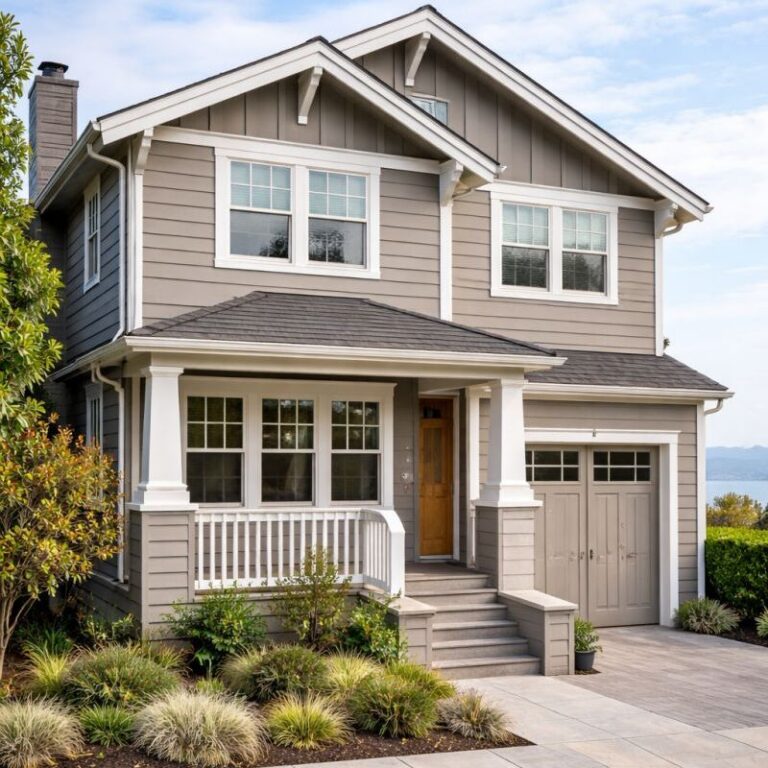
Water-resistive barrier: Use a WRB that meets ASTM E2556. In stucco assemblies, install two layers over wood sheathing to form a drainage break. For fiber cement and engineered wood, add a vented cavity with furring strips or a textured WRB to gain airflow and drainage. Lap all seams shingle fashion with taped vertical joints placed over studs where possible. At window perimeters, integrate sill pans and back dams that direct leaks to the exterior face of the WRB.
Flashing and penetrations: Head flashings should extend past the jamb line, with end dams formed or sealed. Kick-out flashings divert roof runoff into gutters cleanly. Sealant joints are a backup, not the primary defense. Best Exteriors uses butyl-based tapes where compatible and avoids asphalt-based tapes at windows that run hot in direct sun. All tapes require clean, dry substrates and primer where the manufacturer calls for it.
Fastening and corrosion resistance: In fog belts and within a mile of the ocean, stainless steel fasteners extend service life. For galvanized, specify hot-dip and a coating weight heavy enough to resist white rust. Space fasteners per the manufacturer’s high-wind tables. For lap siding, face nailing may be required on elevations that take gusts from the west. For panel systems, use concealed anchors rated for the design pressures in Exposure C.
Thermal and acoustic comfort: Insulated vinyl siding adds modest R-value but can smooth indoor temperatures when paired with air sealing. Fiber cement does not insulate, so pair it with cavity insulation and a tight WRB. Milgard fiberglass frames with dual or triple glazing lower sound transmission from busy streets in the Mission and the Marina. Warm-edge spacers and argon fills cut condensation risk on cool mornings near the coast.
Substrate repairs and dry rot: Probe sill plates, rim joists, and window corners. Replace decayed wood, then treat adjacent framing. Best Exteriors documents all dry rot removal with photos before closing. Where termites are active, coordinate treatment before installing new cladding. Skipping this step shortens the life of any new siding or window assembly and will show up as soft spots under fresh paint.
Energy savings and eco-friendly paths that fit Title 24
San Francisco heating demand is modest, but leaky envelopes waste energy year-round. Insulated siding, tighter WRBs, and high-performance windows all contribute. Title 24 compliance can follow a prescriptive or performance path. Most single-family projects follow prescriptive tables, while multi-family or mixed-use may benefit from modeling. Best Exteriors promotes energy-efficient insulated siding where it makes sense and pairs it with window packages that meet the expected 2026 values. The result is lower energy use, steadier indoor temperatures, and less condensation on cold panes near Ocean Beach and out through the Richmond.
Service focus with code-ready delivery
Best Exteriors provides siding installation, siding repair, exterior waterproofing, dry rot removal, facade restoration, custom trim work, and window replacement. The company holds Diamond Certified status, a BBB A+ Rating, EPA Lead-Safe certification, strong GuildQuality scores, and NARI membership. Crews install James Hardie HZ10 fiber cement, cedar shingles, stucco systems, insulated vinyl siding, LP SmartSide, aluminum and steel siding, and Milgard windows. Work orders include free estimates, financing options, warranty-backed craftsmanship, and clear communication through DBI permits and inspections.
Siding contractors San Francisco searches often point to low bids that gloss over substrate damage. Best Exteriors fixes the cause first and then replaces the skin. That is the quiet difference between a project that holds up on the west side and one that needs repair in two years. The 2026 code shines a light on these steps. Owners who follow them get better performance and cleaner inspections.
Choosing the right cladding for each San Francisco microclimate
Fiber cement with HZ10 technology handles repeated wetting and salt spray. It carries ignition resistance useful for edge parcels that face higher fire exposure. Paint cycles run longer compared to softwood. Cedar shingles bring warmth and match many historic facades. They need a ventilated cavity, careful flashing, and a fire note that allows their use. Stucco can look sharp on row houses and mixed-use buildings. It needs a drainage gap and joints that suit the wall length to prevent cracking. Insulated vinyl siding goes up fast and stays consistent across elevations, with less paint work later. It still needs careful flashing and coastal-grade fasteners. LP SmartSide offers a wood look with modern durability, but it must sit off grade and tie into a tested WRB cycle. Metal cladding in aluminum or steel gives a modern edge and resists ignition, though dents and oil canning should be part of the conversation before signing off on elevations that face wind.
Real-world examples across the city grid
In the Outer Richmond near 94121, a two-story single-family home showed peeling paint and soft sheathing at the north wall. The team removed three courses of lap siding, found dry rot at two studs, and replaced the section. A textured WRB and a 3/8 inch rainscreen created a drainage path. New James Hardie HZ10 boards and stainless fasteners completed the wall. A fall storm hit a week later and the interior stayed dry.
In Noe Valley near 94114, a narrow lot Victorian needed cedar shingle repairs and window upgrades. Historic details called for in-kind shingles, but the wall behind them was wet. Best Exteriors built a submittal with profile photos, then installed a double-layer WRB behind a ventilated shingle assembly. Milgard fiberglass windows with U-factors near 0.29 cut drafts. The historic look stayed intact and the assembly matched 2026 water and energy targets.
In the Sunset near 94122, high gusts pushed water into old aluminum windows. Replacement windows with sloped sills, pan flashings, and head flashings tied into a new WRB. The crew face-nailed fiber cement on the windward elevation per manufacturer notes. Bills dropped, and the house felt quieter during evening winds.
Signals that help San Francisco owners find solid help
Searches for siding contractors San Francisco often favor firms with real local work, strong ratings, and clear contact details. Best Exteriors lists a local address, a direct phone line, regular hours, and service maps by zip code. Photo galleries show actual San Francisco jobs with fog and salt air context. Reviews on GuildQuality and BBB give insight into service quality, while Diamond Certified backs up workmanship claims. These are the markers that help owners pick a partner who delivers code-ready results under the 2026 rules.
Where Best Exteriors works today
- Pacific Heights, Marina District, and Cow Hollow corridors for historic and modern facades.
- Mission District and Potrero Hill for mixed-use frontages and sun-exposed elevations.
- The Sunset and the Richmond District for fog and wind-ready assemblies with HZ10 fiber cement.
- Noe Valley and Haight-Ashbury for custom trim work and cedar shingle restoration.
- Across zip codes 94102, 94107, 94110, 94112, 94114, 94117, 94121, 94122, 94123, and 94124 with fast site walks.
What to expect under the 2026 code on your project
Expect more attention to drainage, ventilation, and flashing. Expect verified window performance labels to match plan notes. Expect corrosion-resistant fasteners and careful sequencing around DBI inspections. These shifts are good for San Francisco owners. Walls stay dry, paint lasts longer, and windows feel tighter. The work looks the same from the curb, but the layers behind the finish are stronger. Best Exteriors brings that depth to each address with a plan that fits the block, the microclimate, and the city’s rules.